

When it comes to creating a welcoming home environment, lighting plays one of the most transformative yet often overlooked roles. Whether you’re redesigning your living room, refreshing your bedroom, or setting up a home office, understanding how to use light effectively can completely change the look and feel of your spaces. The good news? Lighting made simple doesn’t require you to be an interior designer or lighting expert. With a few key principles and practical tips, you can master the art of home lighting and create the perfect ambiance for every room.
Why Lighting Matters More Than You Think
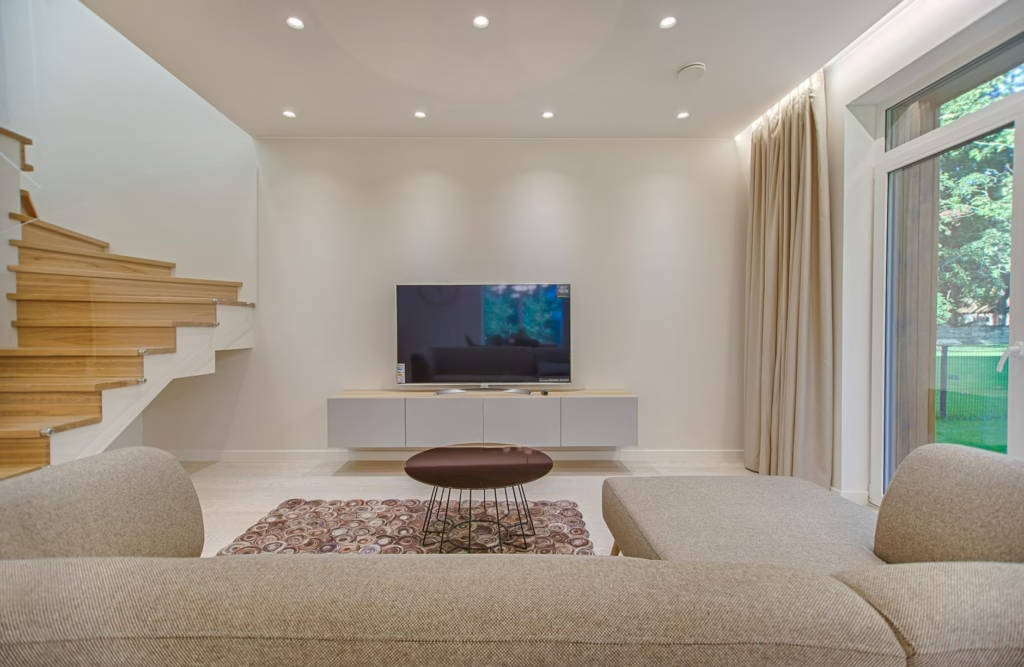
Before diving into the how-to’s, it’s worth understanding just how powerful lighting can be. Light affects not only what we see but also how we feel. Warm lighting can make a space feel cozy and intimate, while cool lighting creates an energizing, clean atmosphere. The right lighting can hide imperfections, highlight architectural features, reduce eye strain, and even influence your mood and productivity throughout the day.
Studies have shown that quality lighting impacts everything from our sleep patterns to our emotional well-being. Poor lighting can cause headaches and fatigue, while well-designed lighting can boost focus, creativity, and relaxation. This is why taking time to get your home’s lighting right is an investment in both your comfort and your health.
The Three Layers of Lighting
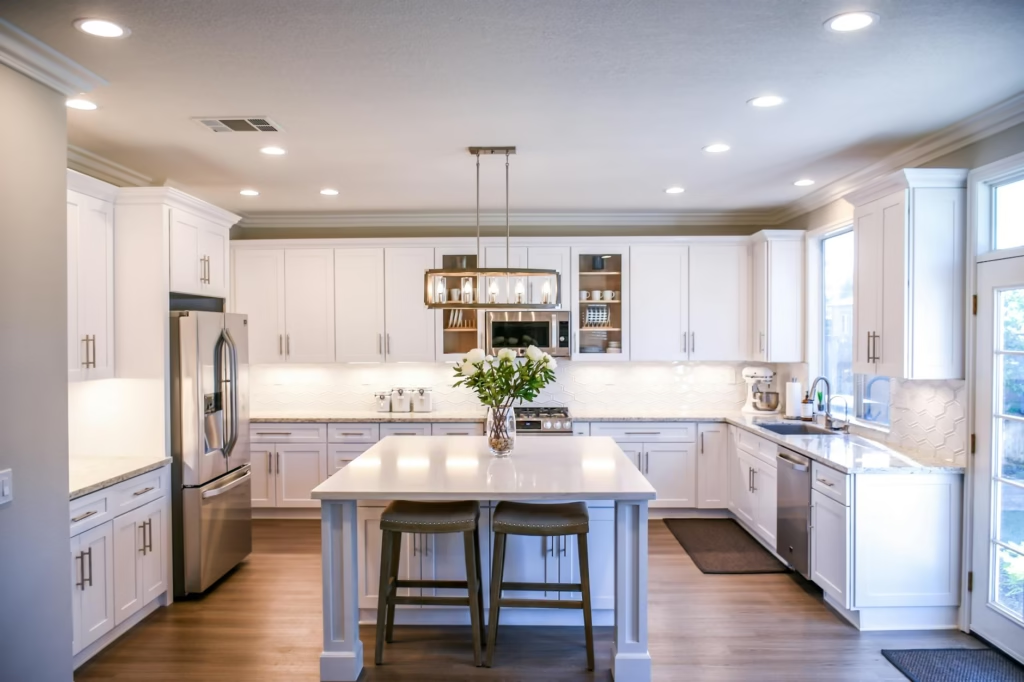
Professional designers use a three-layer approach to lighting, and understanding these layers is the foundation of lighting made simple. Rather than relying on a single overhead fixture, combining different types of light creates depth, flexibility, and visual interest.
Ambient Lighting is your foundational layer—the general illumination that fills a room. This typically comes from ceiling fixtures, recessed lights, or wall-mounted fixtures that provide overall visibility. Ambient lighting should be bright enough for safe navigation but not so intense that it feels clinical or uncomfortable.
Task Lighting focuses on specific activities. This includes desk lamps for working, reading lights by your bedside, or under-cabinet lighting in your kitchen. Task lighting reduces shadows and eye strain by directing light exactly where you need it. It’s especially important in functional areas where you perform detailed work.
Accent Lighting adds drama and dimension to your space. Picture lights, wall sconces, uplighting, or strategically placed lamps can highlight architectural features, artwork, or decorative elements. Accent lighting creates visual interest and draws attention to the areas you want to showcase.
Choosing the Right Light Bulbs
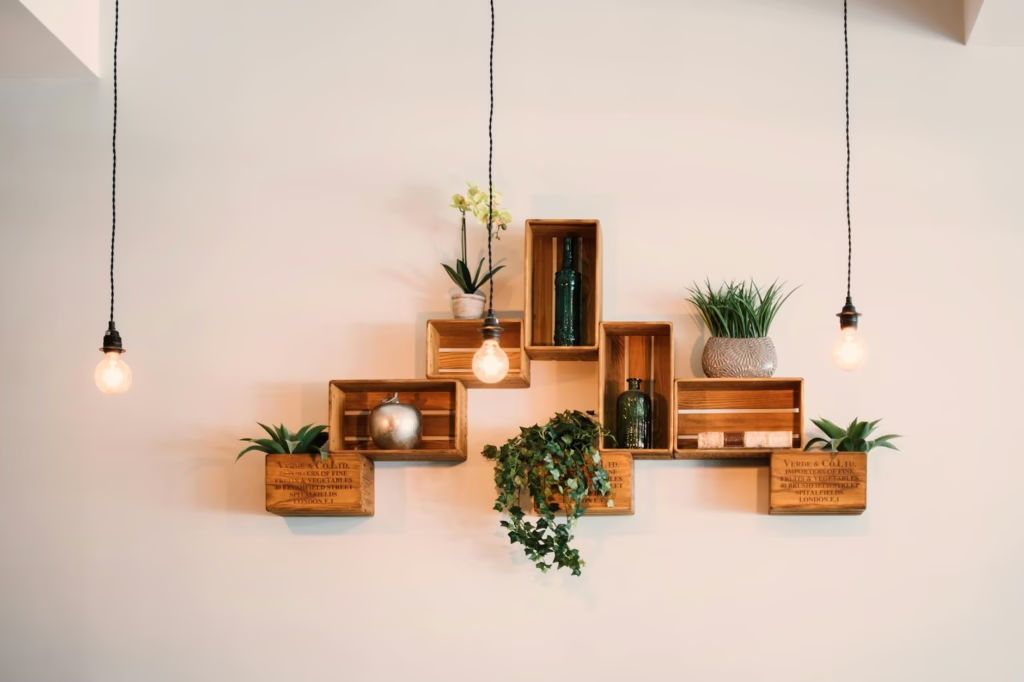
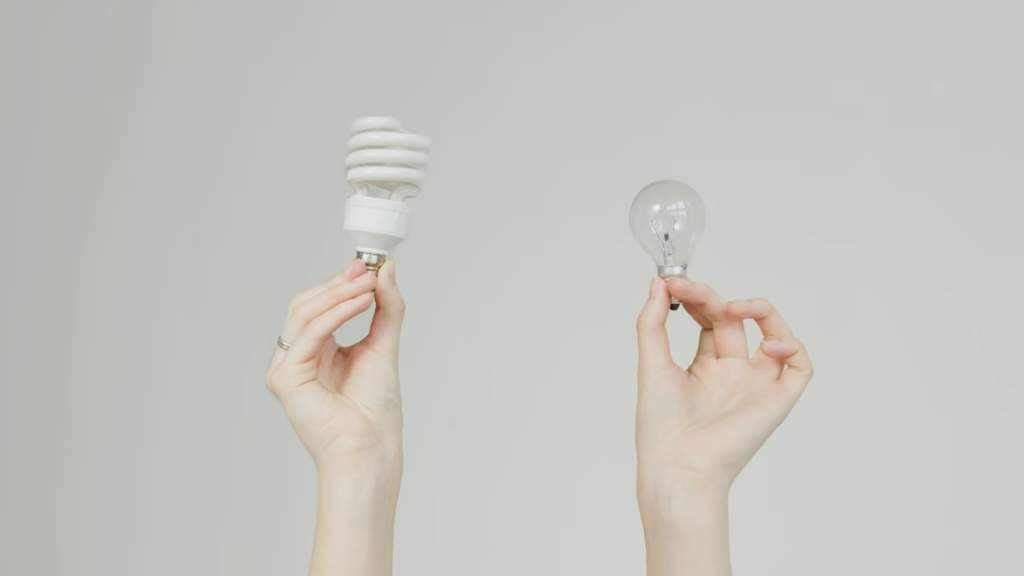
The type of bulb you choose significantly impacts the quality and character of your lighting. Here are the main options available today:
LED Bulbs have become the standard choice for modern homes. They’re energy-efficient, long-lasting, and available in a wide range of color temperatures. LEDs can mimic warm, soft light or cool, bright light depending on their color temperature, measured in Kelvin (K).
Color Temperature Matters: Bulbs rated at 2700K produce warm, yellowish light perfect for living rooms and bedrooms. Bulbs at 3000K-4000K offer a neutral white light ideal for kitchens and bathrooms. Anything above 5000K produces cool, bluish light best suited for task-oriented spaces or offices.
Smart Bulbs offer incredible flexibility, allowing you to adjust brightness and color temperature from your phone. They’re particularly useful in rooms where you want to transition from energizing morning light to relaxing evening ambiance.
Room-by-Room Lighting Solutions
Getting lighting made simple means tailoring your approach to each room’s function and atmosphere.
Living Room: Combine ambient overhead lighting with multiple accent and task layers. A dimmer-controlled ceiling fixture provides flexible ambient light, while table lamps on side tables add warmth and visual interest. Wall sconces flanking a fireplace or artwork create an elegant focal point. This layered approach lets you adjust lighting to match your mood—bright for entertaining, dim for cozy evenings.
Bedroom: Prioritize soft, warm lighting that promotes relaxation. A dimmer-controlled overhead fixture or a few well-placed bedside lamps are ideal. Avoid harsh, direct light near the bed. Consider adding a subtle accent light to highlight a headboard or architectural feature. The goal is creating a sanctuary that encourages restful sleep.
Kitchen: This functional space needs bright, consistent light for safety and task performance. Recessed overhead lighting provides general visibility, while under-cabinet lights illuminate countertops for food preparation and cooking. A decorative pendant light over an island combines functionality with style.
Home Office: Proper lighting is crucial for productivity and eye health. Position a task lamp to the side of your desk to minimize glare on screens. Combine this with ambient overhead lighting for a well-balanced, non-fatiguing environment that supports focus and concentration.
Bathroom: Bright, even lighting without harsh shadows is essential. Flanking wall sconces on either side of a mirror provide flattering, shadow-free light for grooming. Combine these with overhead lighting for complete illumination.
Practical Tips for Lighting Success

Place lights at varying heights: Mounting fixtures at different levels—ceiling, wall, and table—creates visual depth and more sophisticated lighting than a single overhead fixture.
Use dimmers wherever possible: Dimmers give you flexibility to adjust light levels based on the time of day, your mood, or the activity you’re doing. They’re one of the simplest ways to make lighting work harder for you.
Consider natural light: Position task lighting to complement, not compete with, natural daylight. In the morning and afternoon, natural light can reduce your reliance on artificial lighting and create a more dynamic, healthy environment.
Avoid over-lighting: More light isn’t always better. Too much brightness can feel harsh and uncomfortable. Aim for adequate light that allows you to see comfortably while maintaining visual interest and shadow.
Mix fixture styles: Combining different lighting styles—pendant lights, table lamps, wall sconces—creates visual interest and prevents your space from feeling monotonous.
Think about fixtures as décor: Your light fixtures are visible design elements. Choose styles that complement your décor and reflect your personal aesthetic. A beautiful chandelier or sculptural pendant can serve as both light source and statement piece.
The Importance of Quality and Sustainability

Investing in quality fixtures and bulbs pays dividends over time. Higher-quality LEDs produce better light, last longer, and maintain their color temperature more consistently than cheaper alternatives. While they may cost more upfront, they reduce energy bills and replacement hassles.
Modern LED technology has made it easier than ever to create beautiful, efficient lighting schemes. Energy-efficient lighting reduces your environmental footprint while lowering utility costs—it’s a win-win for your home and the planet.
Final Thoughts
Lighting made simple boils down to understanding a few core principles: layer your light, choose the right bulbs, match lighting to room function, and don’t be afraid to experiment. Start by assessing your current lighting setup and identifying areas that feel too dark, too bright, or visually uninteresting. Then gradually incorporate changes—add a dimmer, introduce a decorative lamp, or upgrade to warm-toned bulbs.
Remember, your ideal lighting setup is personal. What works for one home might not work for another. The beauty of modern lighting options is that you have tremendous flexibility to create spaces that are both beautiful and functional. With a little planning and the right approach, you can transform your home’s lighting from an afterthought into a carefully orchestrated design element that enhances every room and every moment you spend in your home.
Your perfectly lit home is closer than you think. Start with one room, apply these principles, and enjoy watching your space come alive with light.