

Colour combos are all about mixing and matching hues to create stunning visual effects. Whether you’re sprucing up your space, revamping your wardrobe, or diving into a new art project, finding the perfect palette can make all the difference. Let’s jump right into the exciting world of colours that can transform your ideas into vibrant realities!
Earthy Tones and Natural Hues

Earthy tones bring a sense of calm and connection to nature. The image showcases a beautiful arrangement of natural elements like pine cones, leaves, and small decorative items. These components create a warm and inviting atmosphere.
The wooden background adds depth, enhancing the earthy vibe. This combination of textures and colors makes it perfect for various settings, from cozy homes to rustic events.
Using natural hues in design can evoke feelings of comfort and tranquility. Whether you’re decorating a space or planning an event, incorporating these colors can create a harmonious environment.
Monochromatic Schemes
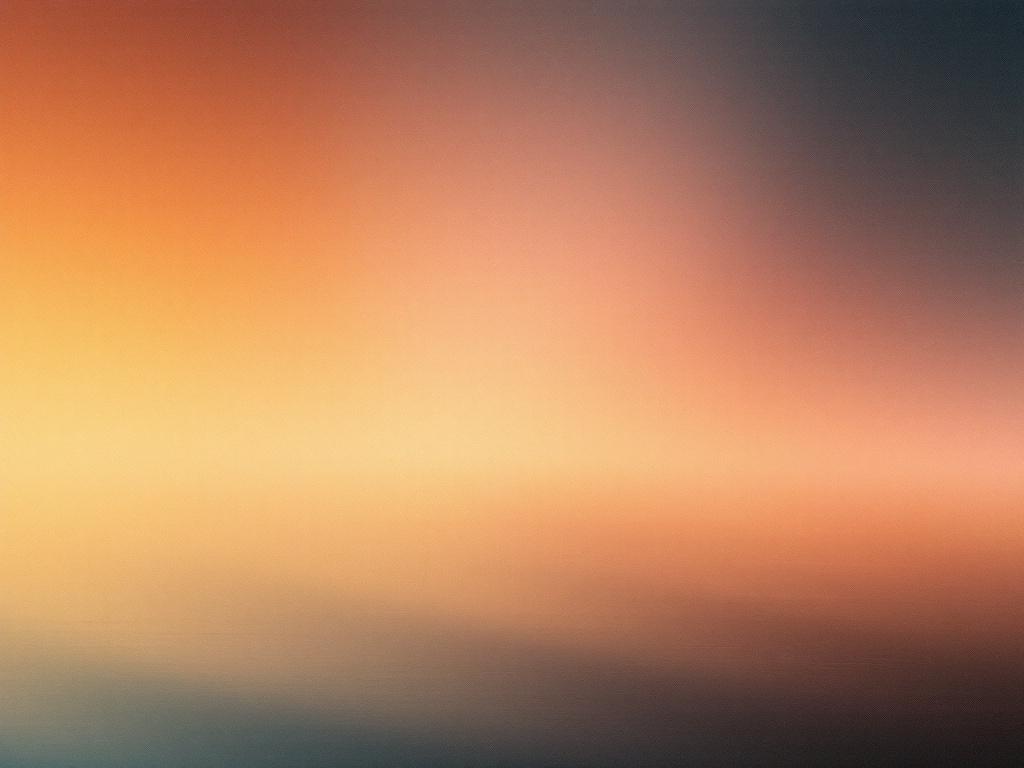
Monochromatic color schemes focus on variations of a single hue. This image beautifully illustrates the concept with its soft gradients of warm oranges and subtle blues. The smooth transitions create a calming effect, making it perfect for spaces where relaxation is key. Using one color in different shades can simplify design choices while still providing depth and interest. It’s all about how you play with light and dark tones to create a cohesive look. Whether you’re painting a room or designing graphics, a monochromatic palette can bring a sense of harmony and sophistication.
Pastel Color Blends
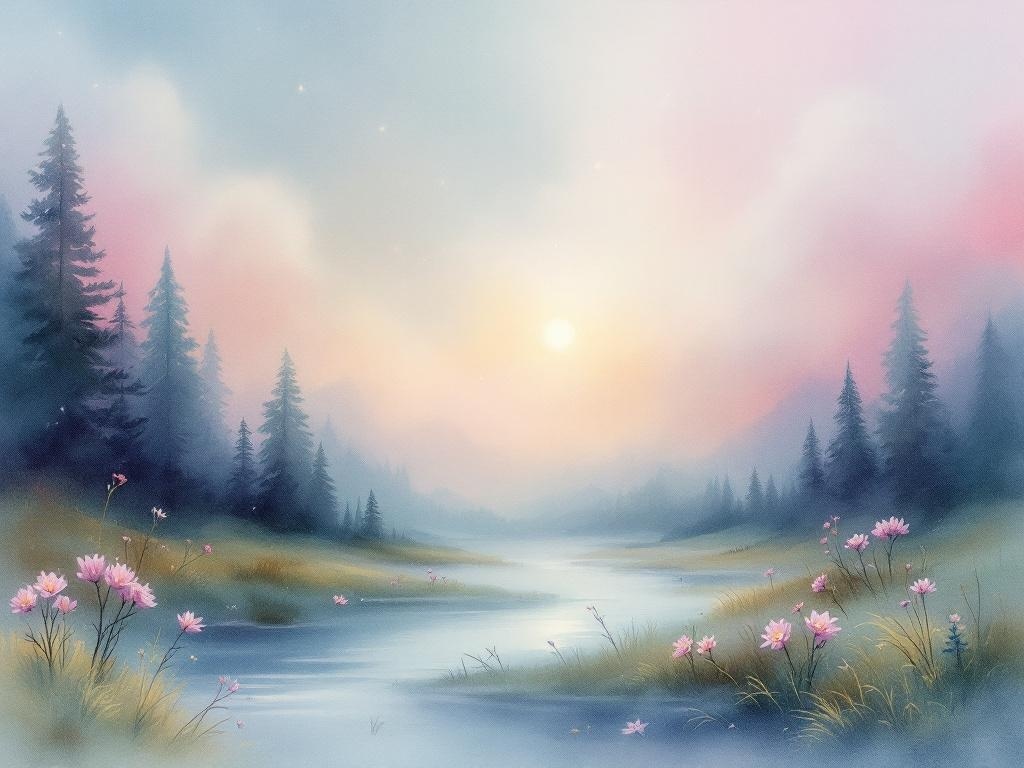
Pastel colors have a unique charm that brings a sense of calm and serenity. The image showcases a beautiful landscape filled with soft hues. The gentle pinks, blues, and greens blend seamlessly, creating a dreamy atmosphere.
In the foreground, delicate flowers add a touch of warmth against the cool background. The soft light from the sun peeking through the mist enhances the pastel palette, making everything feel light and airy. This blend of colors is perfect for evoking feelings of peace and tranquility.
Using pastel colors in art or design can create a soothing effect. Whether it’s for a room makeover or a painting, these colors can transform a space into a relaxing haven. They work well together, allowing for endless combinations that are visually pleasing.
Complementary Color Pairings
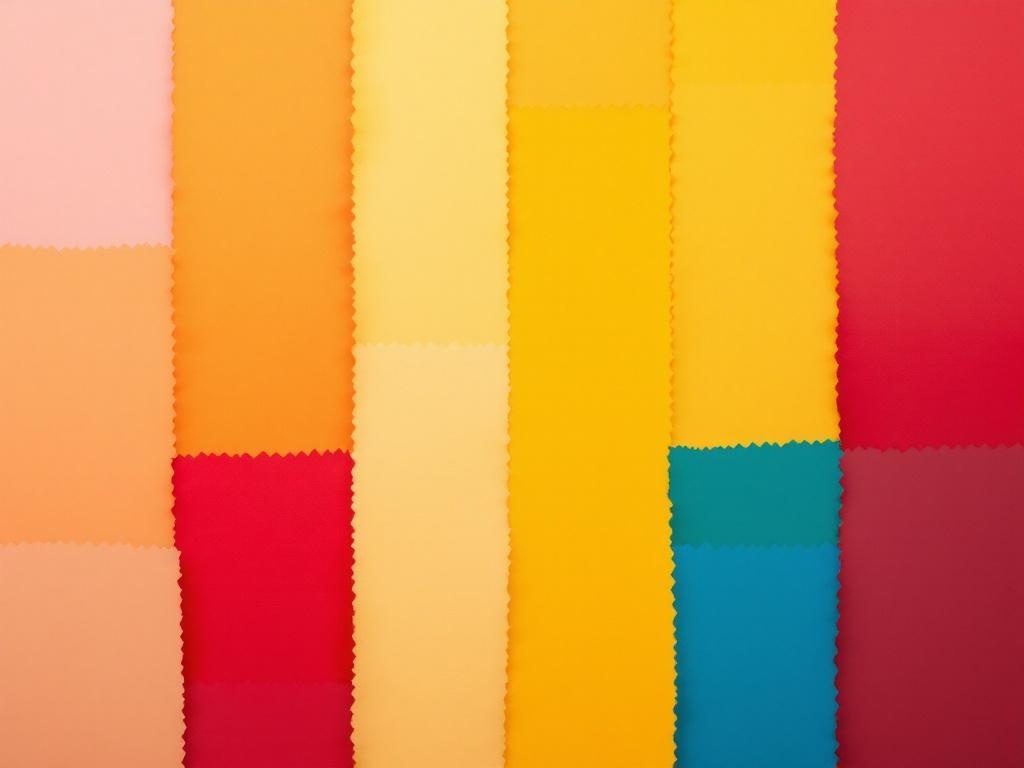
Color is a powerful tool in design and art. The image showcases a vibrant array of color swatches, each offering a unique hue. These colors can be combined in various ways to create striking visuals.
Complementary colors are opposite each other on the color wheel. When paired, they enhance each other, making both colors pop. For instance, the bright yellow swatch next to a deep purple creates a lively contrast that draws attention.
In the image, you can see warm colors like reds and yellows alongside cooler tones like teal. This mix can inspire creative projects, from home decor to graphic design. Playing with these combinations can lead to exciting results.
Next time you’re choosing colors, think about how opposites can work together. Whether you’re painting a room or designing a website, complementary colors can add depth and interest to your work.
Bold and Bright Combinations
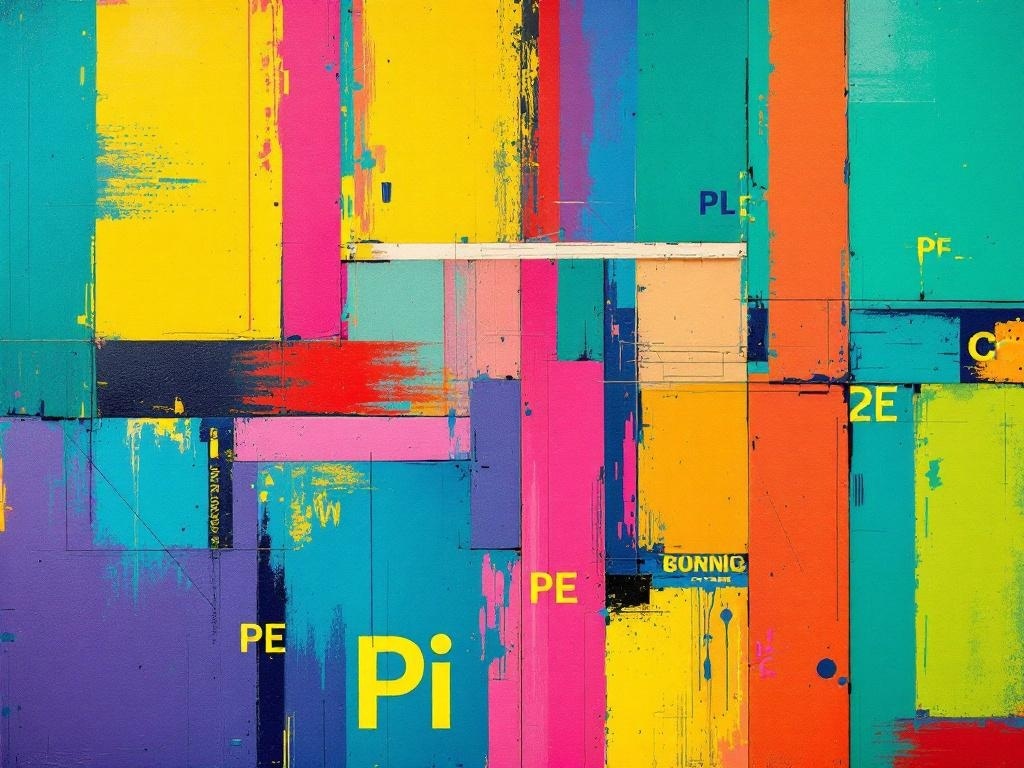
When it comes to color, bold and bright combinations can really make a statement. The image showcases a vibrant mix of colors, including electric blues, sunny yellows, and striking pinks. Each hue pops against the others, creating a lively and energetic feel.
This kind of color palette is perfect for those looking to add a splash of excitement to their space or project. The interplay of colors can evoke feelings of joy and creativity. It’s like a visual party that draws the eye and lifts the mood.
Using such combinations can be a fun way to express personality. Whether it’s in fashion, home decor, or graphic design, bold colors can transform the ordinary into something extraordinary. So, don’t shy away from mixing those bright shades!
Warm vs. Cool Color Dynamics
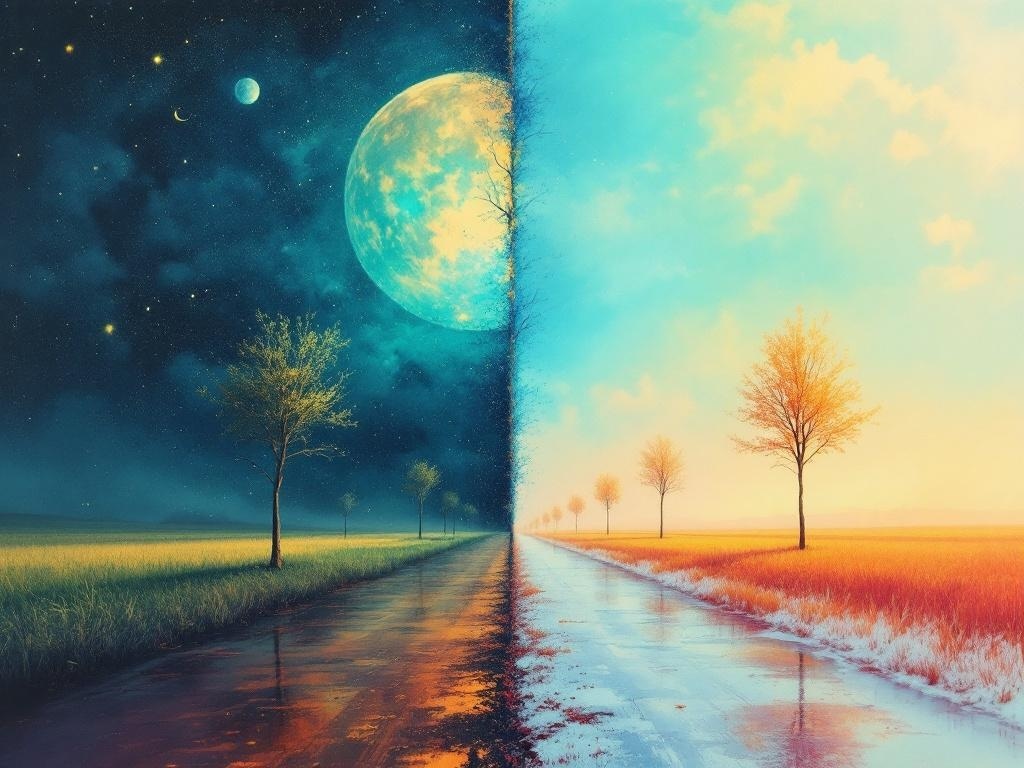
The image beautifully illustrates the contrast between warm and cool colors. On one side, we see a vibrant landscape bathed in warm hues of orange and yellow. This side evokes feelings of warmth and comfort, reminiscent of a sunny day. The trees stand tall against a backdrop of a bright sky, creating a cheerful atmosphere.
On the opposite side, the cool colors take center stage. Deep blues and greens dominate this part of the image, giving it a serene and calm vibe. The moon and stars add a touch of magic, making it feel like a tranquil night. This side invites reflection and peace, contrasting sharply with the lively warmth of the other.
The split in the image represents how warm and cool colors can affect our emotions and perceptions. Warm colors often energize and uplift, while cool colors can soothe and relax. Understanding these dynamics can help in choosing color palettes for art, design, or even personal spaces.
Triadic Color Harmony
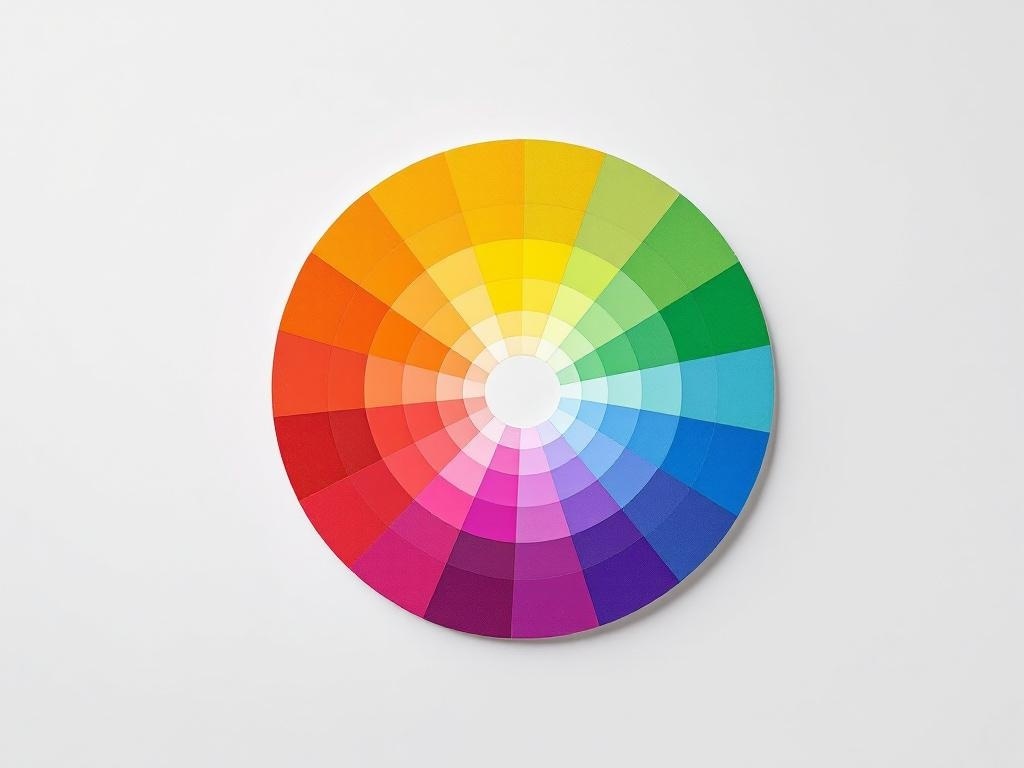
Triadic color harmony is a fun way to play with colors. It involves using three colors that are evenly spaced on the color wheel. This creates a balanced and vibrant look. The image shows a color wheel filled with bright hues, showcasing how these colors interact.
In the wheel, you can see primary colors like red, blue, and yellow, along with their secondary counterparts. When you pick any three colors that form a triangle on this wheel, you get a lively combination. This method is perfect for art, design, or even fashion!
Using triadic colors can make your projects pop. Whether you’re painting a room or designing a website, this approach adds energy and excitement. Just remember to balance the colors so they complement each other without overwhelming the viewer.
Analogous Color Combinations
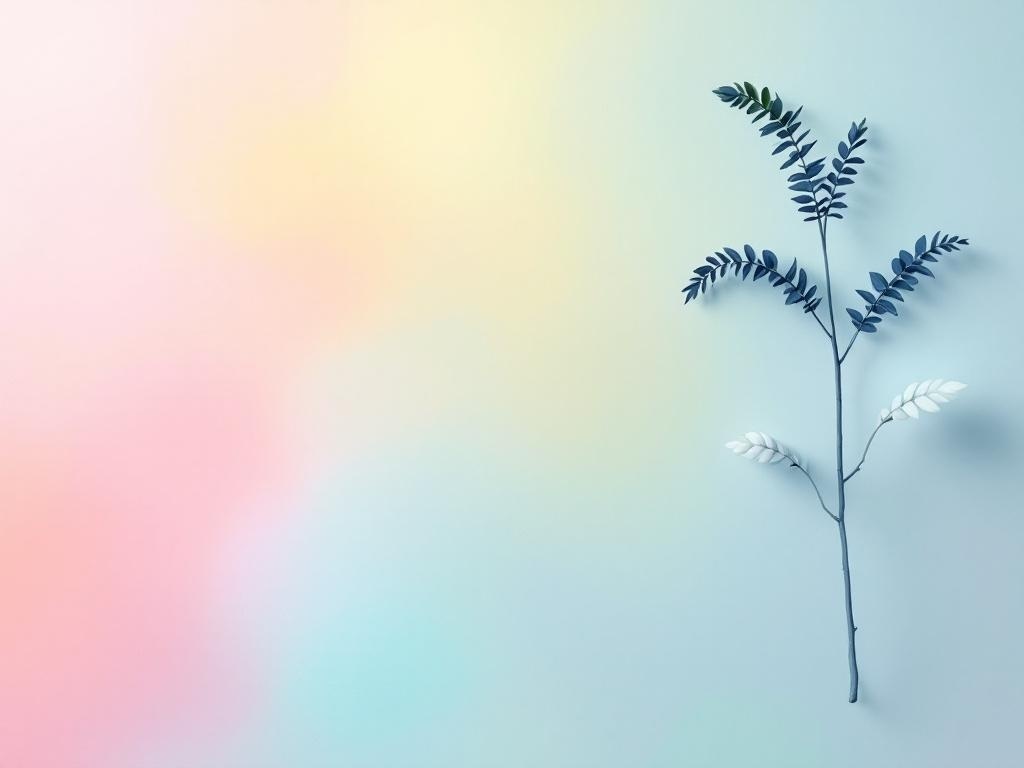
Analogous colors are those that sit next to each other on the color wheel. They create a sense of harmony and balance. In the image, we see a gentle blend of soft colors that evoke a calm and serene atmosphere. The pastel hues transition smoothly into one another, making it visually pleasing.
The delicate branch with leaves adds a natural touch, enhancing the overall softness of the scene. The greens of the leaves complement the background colors beautifully, creating a cohesive look. This combination is perfect for settings where you want to promote relaxation and tranquility.
Using analogous colors in design can be a great way to create a unified feel. Whether in home decor, fashion, or art, these colors work well together without clashing. They invite the viewer in and encourage a sense of peace.
Neon Color Fusion
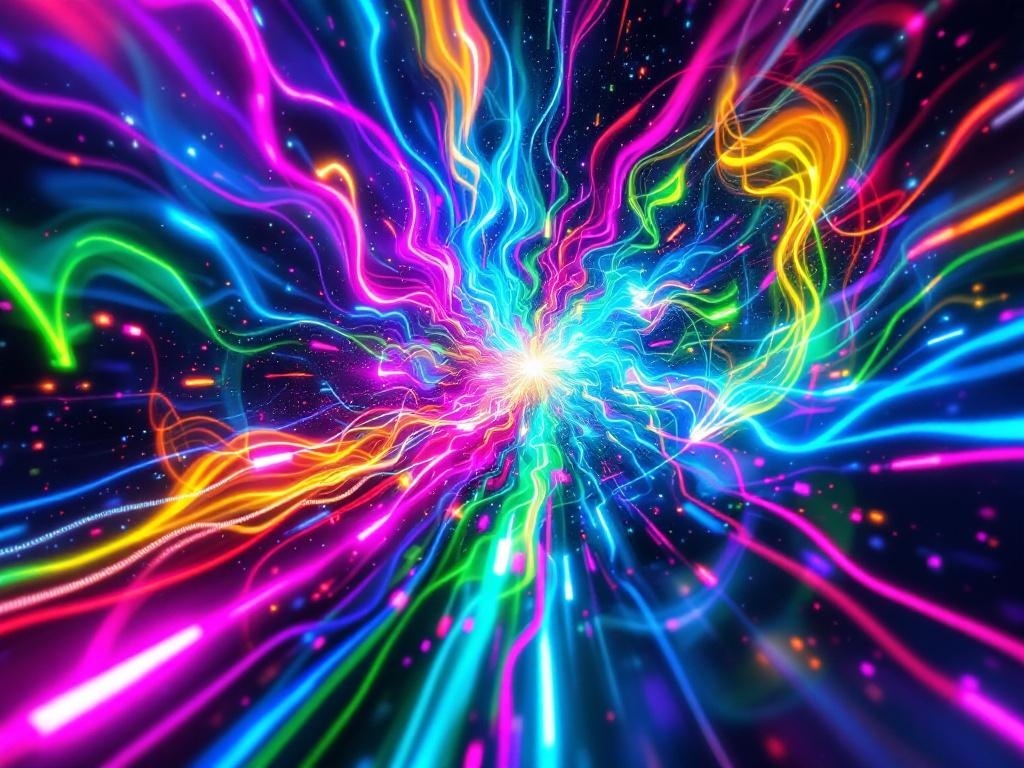
Neon colors have a way of grabbing attention. They pop against dark backgrounds, creating a striking visual experience. The image showcases a vibrant explosion of colors, swirling and intertwining in a mesmerizing dance. You can see bright pinks, greens, blues, and yellows all coming together in a beautiful fusion.
This burst of color can inspire creativity in various fields, from fashion to graphic design. It’s a reminder that bold choices can lead to stunning results. Whether you’re painting a room or designing a logo, think about how neon colors can add energy and excitement.
Neon color combos are not just for the artsy types. They can also be fun in everyday life. Imagine a neon-themed party or a playful outfit that stands out in a crowd. The key is to balance these bright hues with more neutral tones to keep things from becoming overwhelming.
Seasonal Color Trends
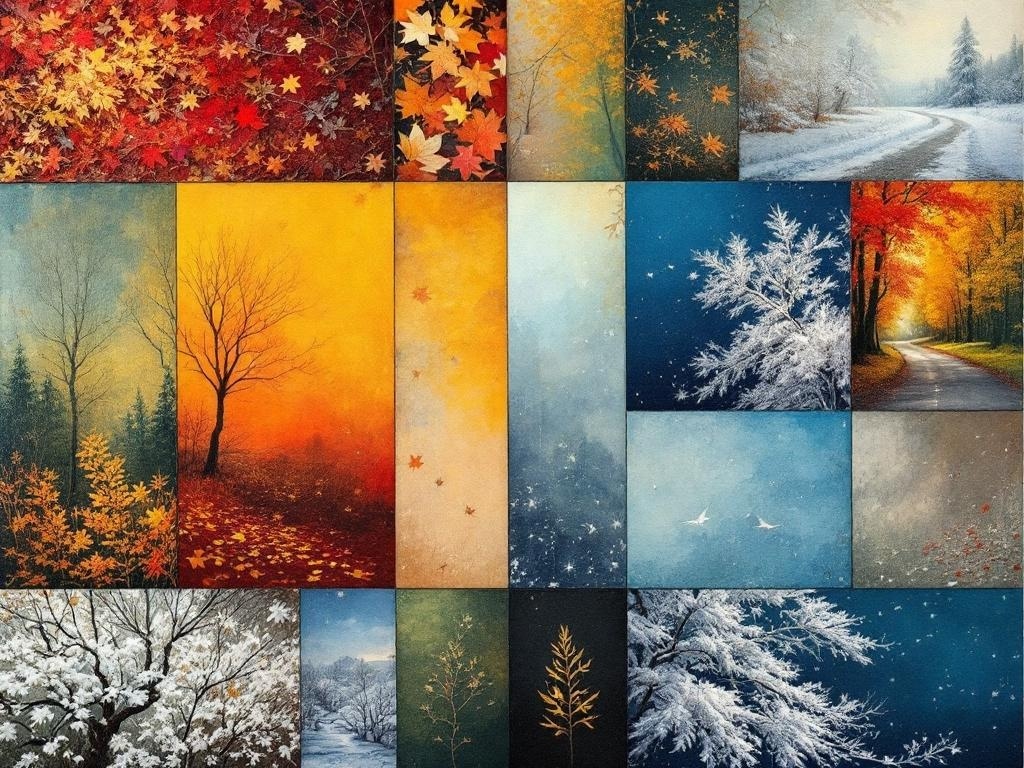
Seasonal color trends bring a fresh vibe to our surroundings. The image showcases a beautiful blend of autumn and winter hues, illustrating how nature transitions through the seasons. The warm reds, oranges, and yellows of fall contrast beautifully with the cool blues and whites of winter.
The top section bursts with fiery autumn leaves, creating a cozy, inviting feel. This palette is perfect for fall fashion or home decor, evoking warmth and comfort. As we move down, the serene winter scenes introduce icy blues and crisp whites, offering a calming effect that’s ideal for the colder months.
Each panel tells a story of change, reminding us to embrace the beauty in every season. Whether you’re looking to refresh your wardrobe or redecorate your space, these color combos inspire creativity and joy.
Soft and Subtle Combinations

Soft and subtle color combinations can bring a sense of calm and beauty to any space. The image showcases delicate pink flowers scattered on a soft blue background. This pairing creates a gentle contrast that is pleasing to the eye.
The light pink hues of the flowers evoke feelings of tenderness and warmth. They blend beautifully with the coolness of the blue, making the overall look fresh and inviting. This combination is perfect for spring themes or any setting that aims to feel light and airy.
Using soft colors like these can enhance your decor or design projects. They work well in bedrooms, nurseries, or even in floral arrangements. The key is to keep the tones muted to maintain that serene vibe.
Color Psychology Insights
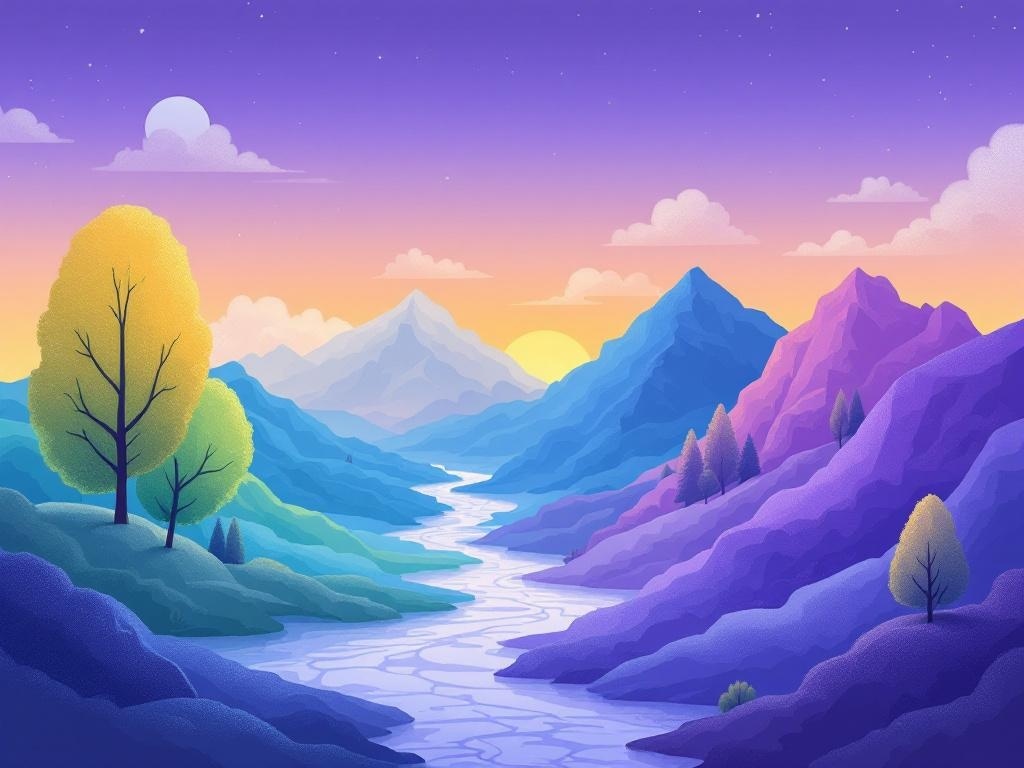
The image showcases a stunning landscape filled with vibrant colors. The soft purples and blues of the mountains create a calming effect, while the warm yellows and oranges of the sunset add a touch of warmth and optimism. This combination of colors can evoke feelings of peace and tranquility.
Color psychology tells us that different colors can influence our emotions and behaviors. For instance, blue often represents calmness and stability, making it a popular choice for spaces meant for relaxation. On the other hand, yellows can inspire happiness and creativity, brightening up any environment.
In this illustration, the blend of cool and warm tones creates a harmonious balance. Such color combos can be used in various settings, from home decor to branding, to evoke specific feelings. Whether you’re looking to create a serene space or a lively atmosphere, understanding color psychology can guide your choices.
Unexpected Color Pairings
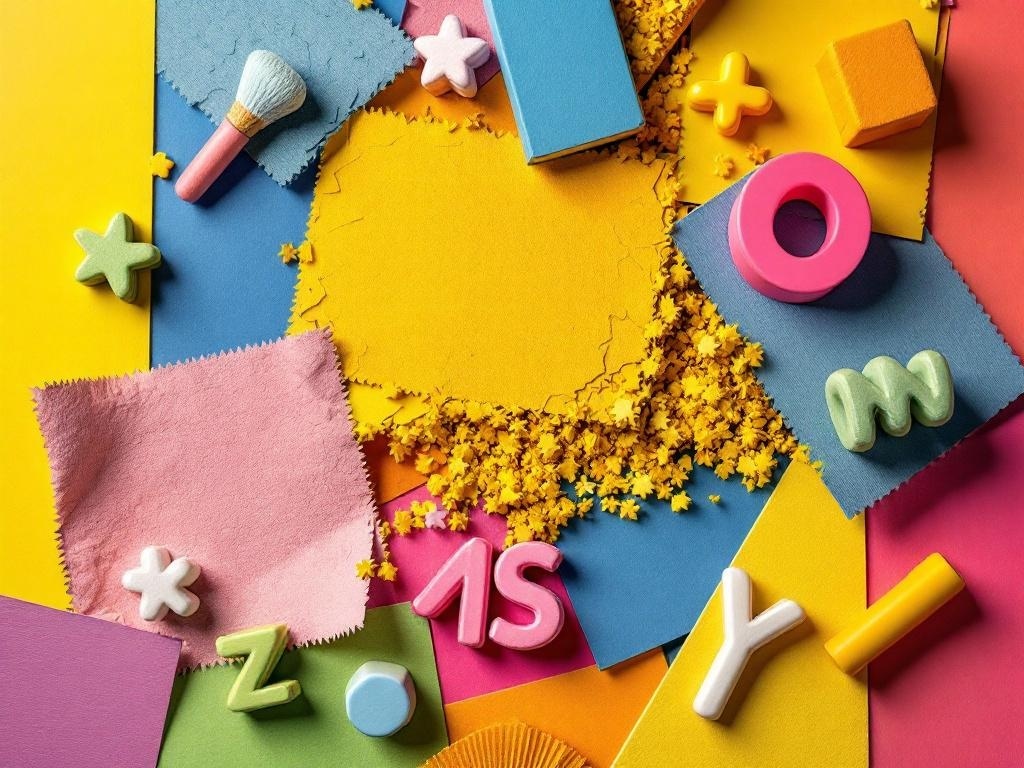
Color can be a fun playground for creativity, and this image showcases some unexpected pairings that really pop. The vibrant yellows, blues, and pinks create a lively scene, inviting viewers to explore the combinations.
In the center, a burst of yellow stands out, surrounded by various textures and shapes. The playful elements, like the colorful letters and stars, add a whimsical touch. Each piece contributes to a cheerful vibe, making it hard not to smile.
These colors might not seem like they belong together at first glance, but they harmonize beautifully. This image reminds us that stepping outside traditional color schemes can lead to delightful results. So, whether you’re decorating a space or crafting a project, don’t shy away from mixing those unexpected hues!
Metallic Color Accents
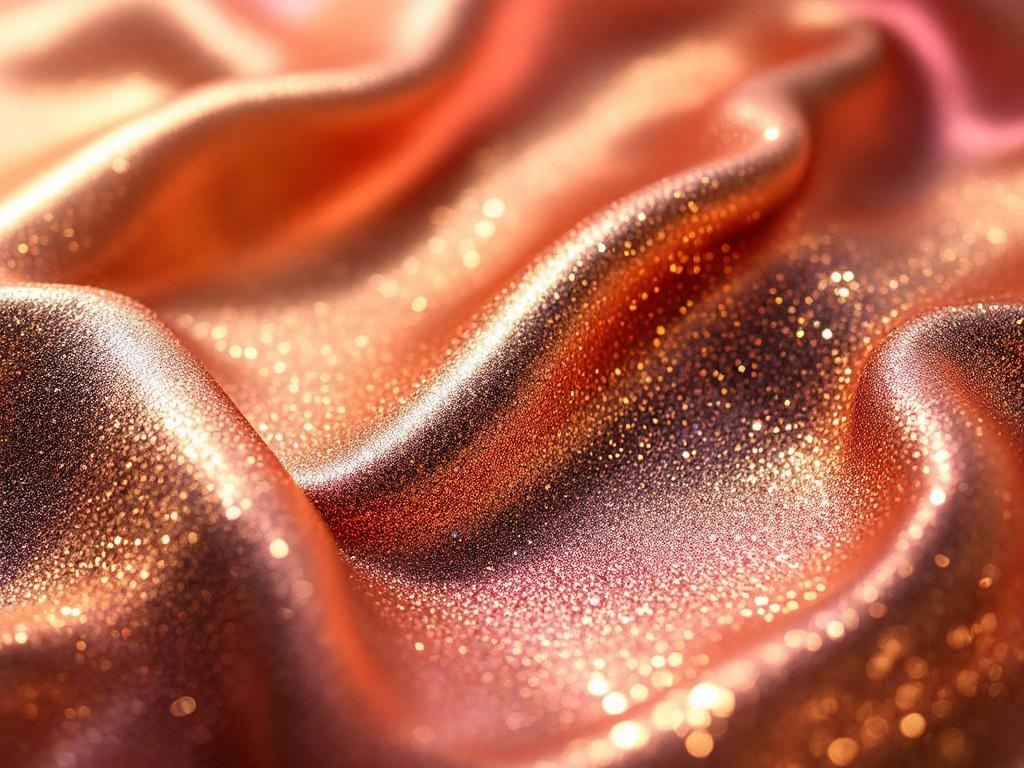
Metallic colors can really make a space pop. They add a touch of glamour and shine that can elevate any design. The image shows a beautiful fabric with a metallic sheen, showcasing warm tones of copper and rose gold. This kind of texture can be used in various ways, from upholstery to decorative pillows.
Using metallic accents in your color palette can create a stunning visual contrast. Pairing these shiny hues with softer colors like pastels or neutrals can balance the boldness. Think about how a metallic throw can liven up a plain couch or how shimmering curtains can catch the light beautifully.
Don’t shy away from mixing different metallics. Combining gold, silver, and bronze can create a rich, layered look. The key is to keep the balance so that one color doesn’t overpower the others. This fabric in the image is a great example of how metallics can work together harmoniously.
Color Blocking Techniques

Color blocking is a fun way to mix bold colors in your wardrobe. The image shows two models rocking this trend with confidence. The man wears a vibrant jacket with blocks of red, blue, and yellow, while the woman sports a chic orange coat paired with a bright yellow top. This combination creates a striking visual impact.
Using contrasting colors can make any outfit pop. The key is to choose colors that complement each other while still standing out. For instance, the blue and yellow in the man’s outfit work well together, creating a playful yet stylish look.
Don’t be afraid to experiment! Pairing unexpected colors can lead to unique styles. The models in the image show how to balance bold hues without overwhelming the eye. This technique is perfect for those looking to express their personality through fashion.
Cultural Color Symbolism
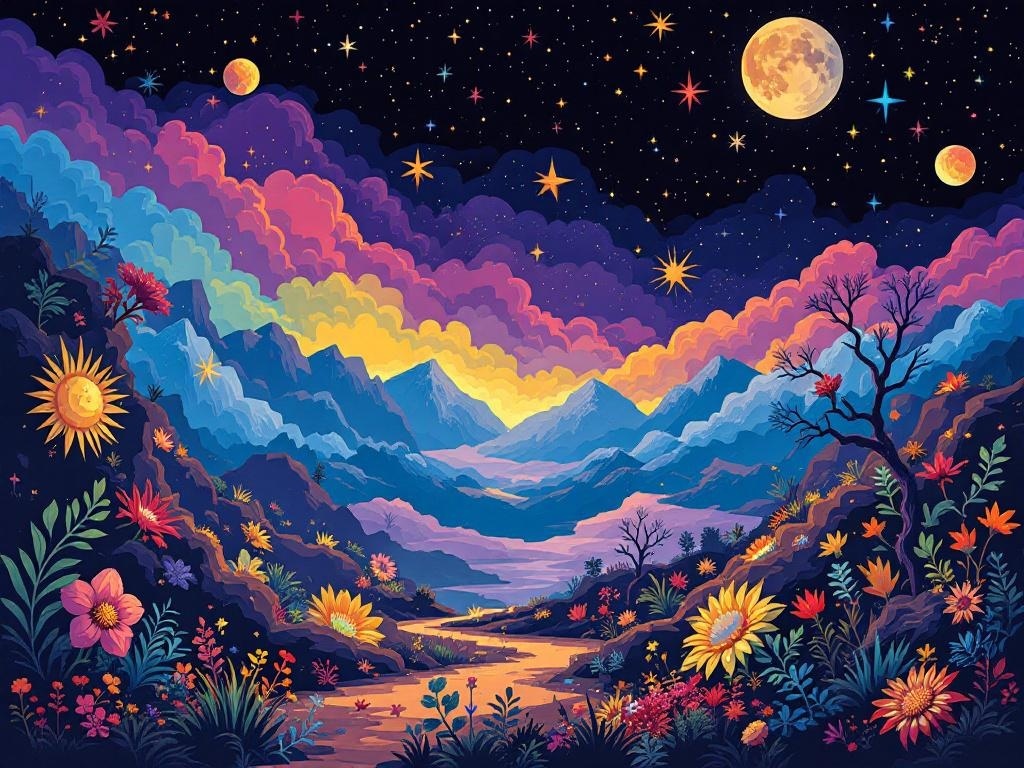
Colors play a huge role in how we express ourselves and connect with our surroundings. The vibrant hues in the image showcase a stunning blend of nature and cosmic elements. Each color carries its own meaning, influenced by cultural beliefs and traditions.
The deep blues and purples often symbolize tranquility and wisdom. In many cultures, these colors are associated with spirituality and introspection. The bright yellows and oranges, like the sunflowers in the foreground, represent joy and positivity. They remind us of warmth and happiness, making them favorites in celebrations.
Green, seen in the lush foliage, is a universal symbol of growth and renewal. It’s often linked to nature and harmony, reflecting a connection to the earth. The contrasting dark background highlights the colors, emphasizing their significance and beauty.
As we explore color symbolism, we see how different cultures interpret colors uniquely. For instance, red can signify love in some places, while in others, it may represent danger or warning. This image beautifully illustrates how colors can evoke emotions and tell stories across various cultures.
Color Gradients and Transitions
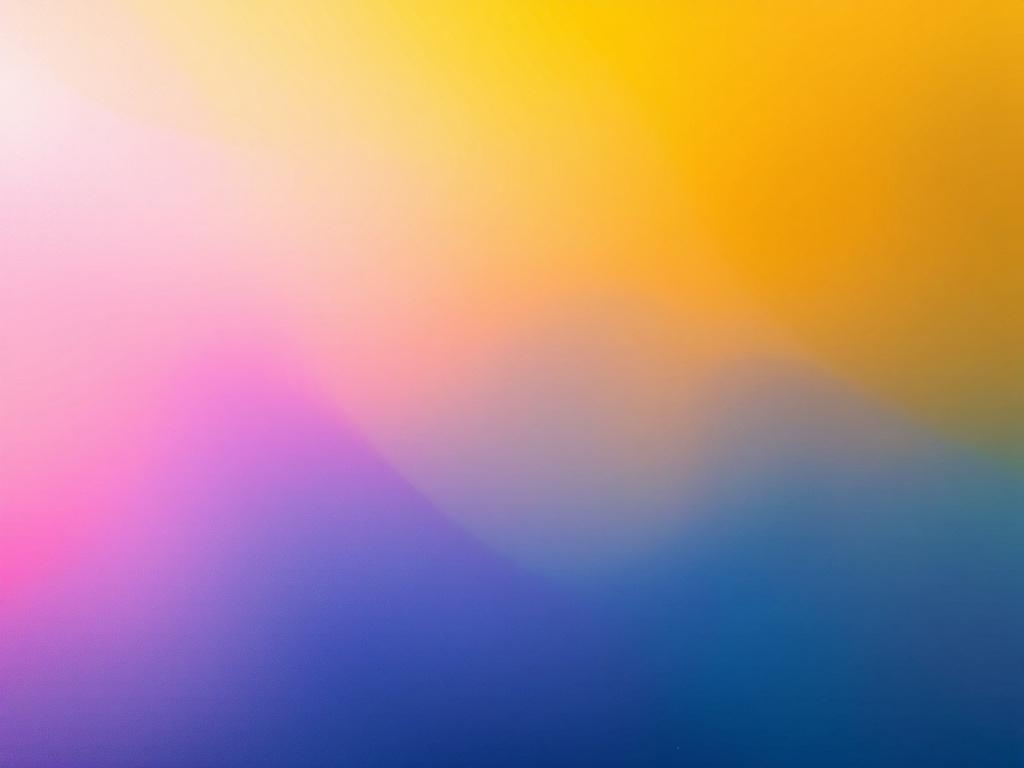
Color gradients can transform a simple design into something eye-catching. The image showcases a beautiful blend of colors, moving from soft yellows to deep blues and vibrant pinks. This smooth transition creates a sense of depth and movement, making it visually appealing.
Using gradients in design can evoke emotions and set the tone. For instance, warm colors like yellow and pink can feel inviting and cheerful, while cooler shades like blue can bring a sense of calm. This combination allows for creative expression, whether in digital art, branding, or interior design.
When applying gradients, consider how colors interact. The way they blend can create harmony or contrast, depending on your goal. Experimenting with different combinations can lead to unique results, making your work stand out.